
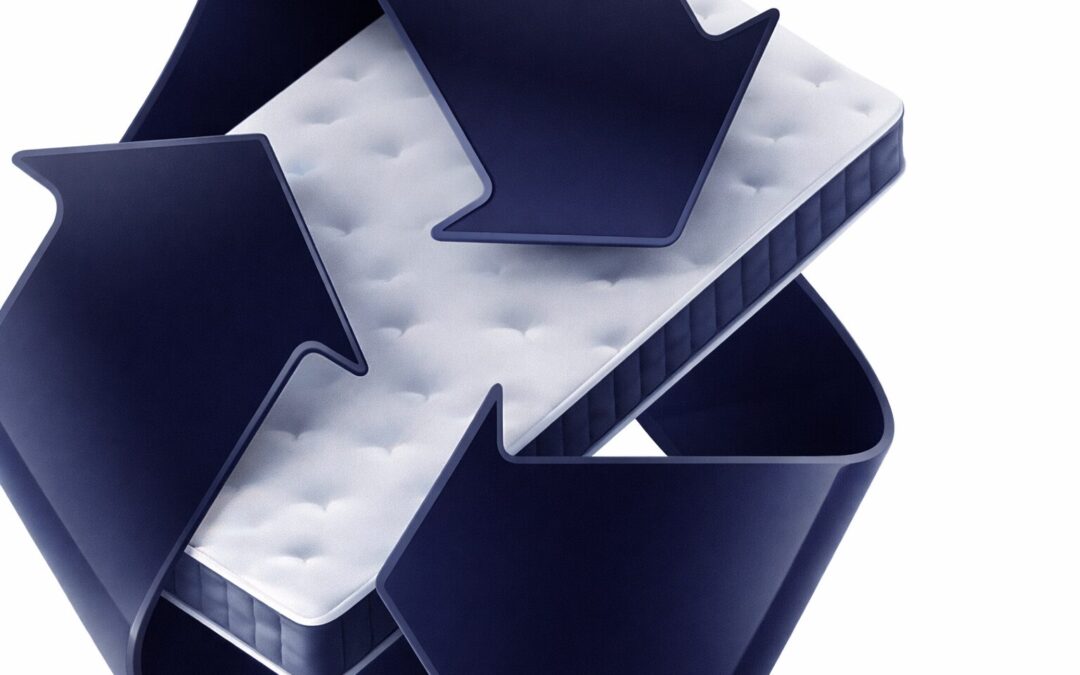
The End-of-Life Challenge for Polyurethane Foam
For decades, the mattress and upholstered furniture industries have faced a significant environmental challenge: the disposal of post-consumer polyurethane foam. With hundreds of thousands of tons discarded annually in the U.S. alone, the pressure to develop viable, scalable recycling solutions has never been greater. While traditional methods have had limited success, a recent breakthrough funded by the Mattress Recycling Council (MRC) and developed by RoCo is set to redefine the economics and possibilities of foam circularity.
A Groundbreaking Solution: From Bulky Foam to Fine Powder
At the heart of this innovation is a novel grinding process that transforms used polyurethane foam into a fine, free-flowing powder. This is not merely shredded or flaked material; the process creates a substance with entirely new physical properties, comparable to grains of sand. This transformation unlocks the potential to re-integrate a waste product back into industrial manufacturing as a high-value additive, a goal that has long eluded the industry.
Unlocking New Commercial and Circular Potential
The true significance of this development lies in its versatility. Early tests have shown promise for using the powder as a filler in cement and rigid foam, but the applications extend much further. This reclaimed material could be integrated into a wide range of industrial products, including coatings, engineering plastics, adhesives, and sealants. For mattress manufacturers, the most compelling prospect is the potential to use these powders in the formulation of new flexible foam, creating a truly closed-loop system where old mattresses become a key ingredient in the next generation of bedding.
Strategic Implications for Mattress and Furniture Manufacturers
This technological leap offers clear advantages for our B2B partners. By creating higher-value end markets for recycled foam, RoCo’s process addresses the economic hurdles that have hindered recycling efforts. For manufacturers, this means more than just improved sustainability metrics; it offers a pathway to stronger supply chain resilience and enhanced brand value. The ability to incorporate genuinely circular materials into new products provides a powerful story for end-consumers who increasingly demand environmental responsibility.
Furthermore, this innovation tackles a critical industry-wide problem. As demand for traditional recycled foam outlets like carpet padding declines, diversifying end markets is essential for long-term stability. This technology opens doors to robust, high-value sectors accustomed to working with fine industrial powders, ensuring stable demand for the recycled material.
Building a Sustainable Future, Component by Component
At Nestor Springs, we view this advancement as a vital piece of the puzzle in creating a fully circular bedding industry. Progress in foam recycling complements the inherent and long-established sustainability of steel components. Our high-quality pocket spring units are designed for durability and are 100% recyclable, forming the reliable core of a sustainable mattress. We believe that innovation across all materials—from advanced polymer powders to high-tensile, recyclable steel springs—is the key to building a resilient future. This breakthrough is a testament to the power of research and a significant step toward a system where every component is designed for its next life, turning yesterday’s waste into tomorrow’s resources.